

















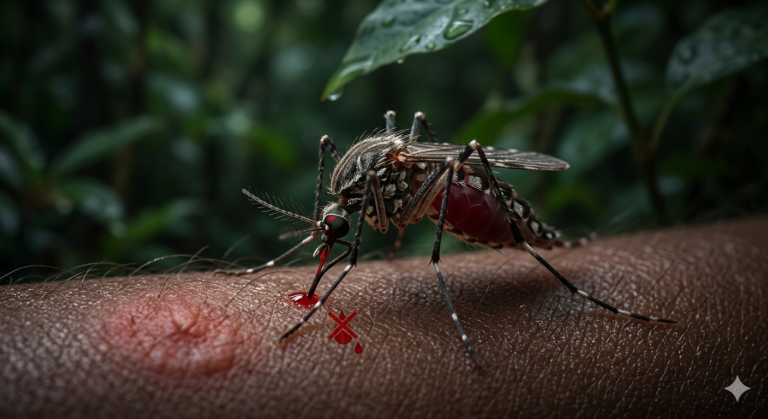
The world’s deadliest creature isn’t a shark, a lion, or even a venomous snake — it’s the tiny, unassuming mosquito. This minuscule insect is responsible for more human deaths each year than any other animal on Earth, killing an estimated 725,000–1,000,000 people annually through the diseases it spreads.
🦟 Why the Mosquito Tops the List
Mosquitoes don’t kill directly — instead, they act as vectors, transmitting deadly pathogens. Their danger comes from the scale of their reach and the severity of the diseases they carry.
Key mosquito-borne killers:
- Malaria (primarily spread by Anopheles mosquitoes) causes over 400,000 deaths annually, many of them children.
- Dengue, yellow fever, and Japanese encephalitis (spread by Aedes aegypti) account for another 100,000 deaths each year.
Despite their size, mosquitoes have shaped human history, influenced migration, and continue to challenge global health systems.
@deadlyfacts2 The World’s Deadliest Creature #mosquito #bugbites ♬ original sound – Deadly Facts
🐍 The Runner-Up: Snakes
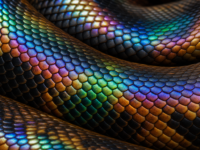
Snakes are the second-deadliest creatures, causing around 100,000 deaths per year — more than all other large predators combined. Most fatalities occur in rural regions where access to antivenom is limited, making snakebite a major but often overlooked global health crisis.
🐕 Dogs (via Rabies)
Though beloved companions, dogs are responsible for tens of thousands of deaths annually, mostly due to rabies transmission, not direct attacks.
🐊 🐘 🦛 What About the Big, Scary Animals?
Large, powerful animals like crocodiles, elephants, and hippos are dangerous — but they kill far fewer people than mosquitoes or snakes.
Approximate annual deaths:
- Crocodiles: ~1,000
- Elephants: ~500
- Hippos: ~500
These animals dominate headlines and imagination, but statistically, they are nowhere near the top.
🌍 Why the Deadliest Creatures Are Often the Smallest
The pattern is clear: the most lethal animals are those that spread disease, not those that hunt humans. It’s not about aggression — it’s about exposure. You’re far more likely to encounter a mosquito than a lion, and that constant contact makes tiny creatures disproportionately dangerous.
🛡️ Can We Protect Ourselves?
The good news: most mosquito-related deaths are preventable. Tools like insecticide-treated bed nets, repellents, and malaria treatments have already saved millions of lives. Continued investment in public health, vaccines, and vector control could dramatically reduce the mosquito’s deadly impact.
🧭 Final Thoughts
The world’s deadliest creature is not the one with the sharpest teeth or the strongest jaws — it’s the one that slips through a window unnoticed. Understanding why mosquitoes are so lethal helps us focus on solutions that save lives.
Discover more from Deadly Facts
Subscribe to get the latest posts sent to your email.


Isn’t it wild how the tiniest creatures, like mosquitoes, can be the deadliest? You might think it’s the big, toothy beasts that reign supreme, but it’s those little guys that pack the real punch! A little mosquito can turn a sunny day into a nightmare, and they don’t even need to be scary to cause chaos. It’s fascinating, though, how scientists are finding ways to tackle these tiny tyrants!
It’s surprising how the smallest creatures can pack such a punch when it comes to danger. Those little guys definitely remind us that size isn’t everything in the animal kingdom! You and I can both appreciate how even the tiniest foes can turn the tides in a blink!
It’s pretty crazy to think that something so small can cause so much harm. It really makes you rethink what you consider dangerous in the animal kingdom! There’s even a book about these tiny terrors called The Light at the End of the Tunnel that dives into their impact!